The Destroyer of Delights

Nights 414-436
This week starts with a bunch of short stories, followed by a story about Ali from Cairo (a character from a Magic card). The early short stories are fine, with the huge caveat that they involve love between men and slave girls. After those, we get a disputation between a man and a woman about which gender is better. The male debater is pretty gross: “The least of a boy’s advantages is that you need not fear menstruation or pregnancy” (Night 420, p. 248). Other “advantages” of sex with boys are given, before the woman disagrees and thankfully calls out the male debater for advocating “disgusting practices” (Night 422, p. 252). Then she gives a graphic description of why sex with women is better than with men and apologizes for how graphic her description is: “You people have made me break the rules of modesty . . . prompting me to discuss foolish obscenities unbefitting to people of learning.” (Night 423, p. 253).
The story about Ali from Cairo is very standard for the Nights. If not for the character’s name from Magic, I would not have thought it was remarkable.
After Ali’s story, we see the villain al-Hajjaj again, who says “Even if I die, you will not be freed from injustice . . . Almighty God has created many people like me and if you do not have me, you will have someone who does more evil with greater injustice and harsher violence.” (Night 426, p. 275). Sort of an inverse of the idea that killing a jedi only makes them stronger: it is pointless to kill a villain because the next villain will just take their place.
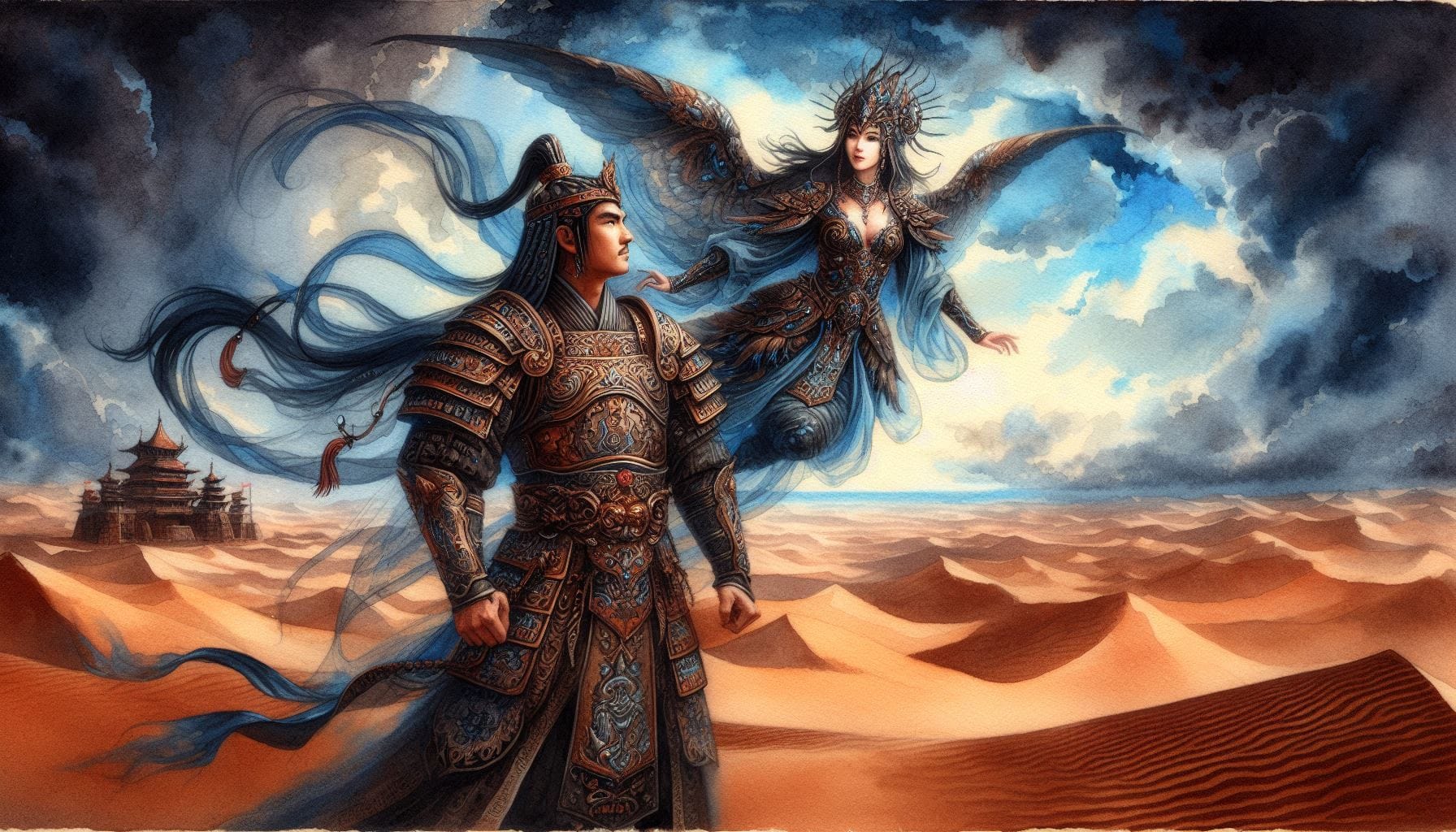
One last point. I mentioned in an earlier post about how many stories end with the male character “deflowering” the female character, and how the Nights include that in the text rather than leave it implied. But I’ve noticed an ending to the story that is an even better contrast with “happily ever after.” In the end of Ali’s story, we get an ending that is familiar now: “They lived the pleasantest and happiest of lives, until they were visited by the destroyer of delights and the parter of companions – praise be to the Eternal God, Who has the power both to destroy and establish.” (Night 434, p. 273) The Nights allow for “happily after” but not for “ever.” Eventually we all meet the destroyer of delights.